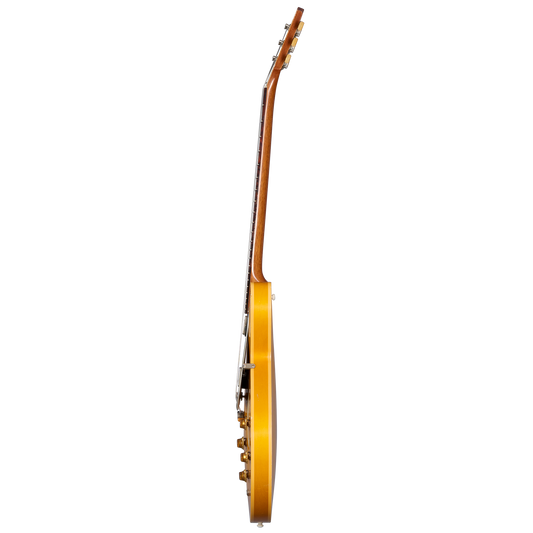
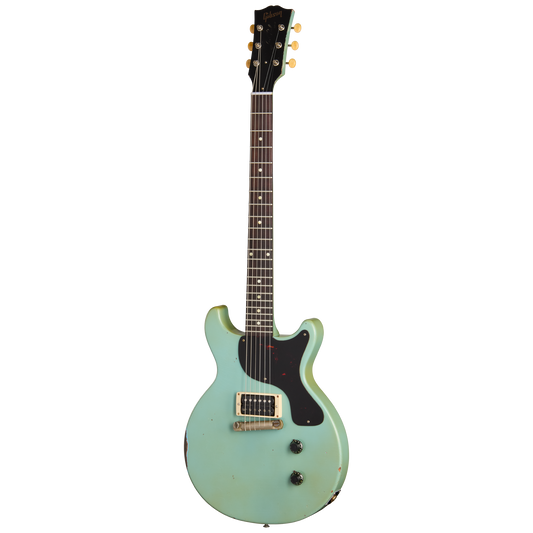
As the Gibson Gear Guide tours the Murphy Lab to see new guitars and new aging processes firsthand, we catch up with Gibson VP of Product Mat Koehler to find out what makes the latest Murphy Lab models the best yet
Gibson Custom Murphy Lab aging has been a game-changer for guitarists, bringing previously unseen levels of vintage accuracy to brand-new instruments. More than simply evoking the spirit of the vintage era, Murphy Lab artisans replicate the appearance, feel, and tone of holy grail Gibson guitars that would otherwise prove unattainable for most players. From a guitarist’s perspective, these instruments have vibe in spades, feel more resonant and alive, and provide a level of immediacy and inspiration straight out of the case that you won’t find anywhere else—combined with the reliability and stability that’s frankly rare among all but the most well-maintained vintage guitars.
In this latest video from the Gibson Gear Guide, host Dinesh Lekhraj visits the inter sanctum of the Gibson Custom Shop to tour the Murphy Lab. Dinesh finds out about how processes and techniques are constantly evolving, and how, as we head into 2026, new methods of aging make the latest Murphy Lab instruments the best ever.
Watch the video below to see Dinesh speak to the Murphy Lab team members who age your guitars, including Tom Murphy himself and craftspeople such as Karen Jenkins. We discover how paying attention to the tiniest details on vintage examples—from how wood discolors when it oxidizes to the verdigris that gives gold control knobs a green hue—allows the team to turn a new guitar into an instrument that looks, feels, and sounds like it’s been a musical companion for decades. And, once you’ve enjoyed the video, read on for our Q&A with Gibson VP of Product Mat Koehler, who discusses the Murphy Lab difference and explains why there’s never been a better time to add one of these amazing guitars to your collection.
What would you pinpoint as the key areas of difference between the 2025-2026 Gibson Custom instruments with Murphy Lab aging and the previous generation?
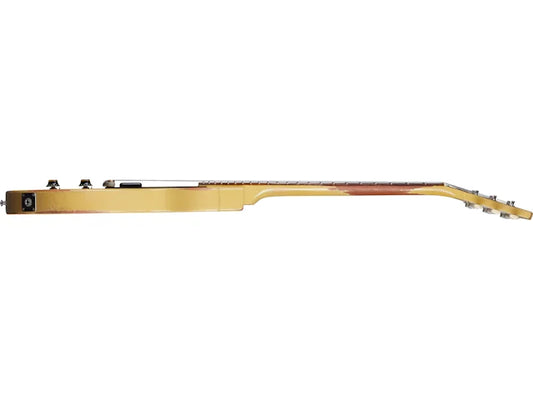
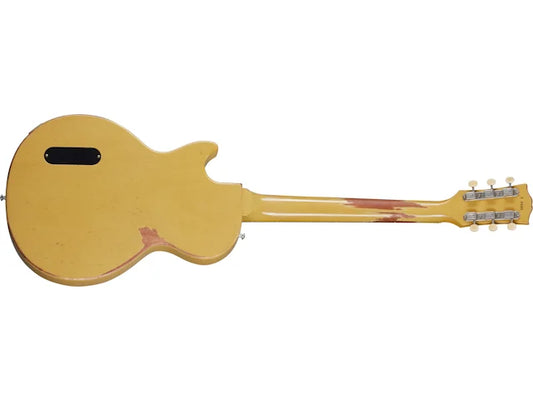
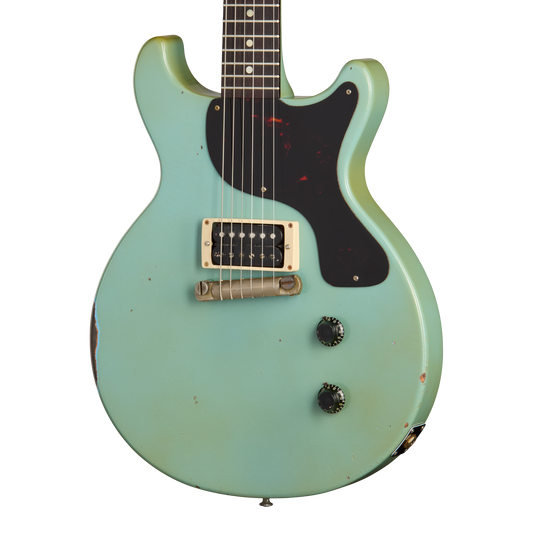
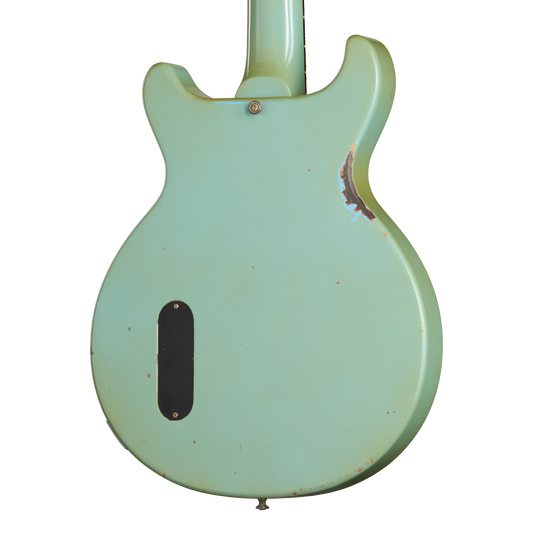
“Tom Murphy’s aging has been evolving in exciting new directions since he began the craft in the mid 1990s. After we launched the Murphy Lab a few years ago, Tom and his team have continued to take their craft to the next level. So in terms of the aging itself, they are at the point now where they are really mastering the subtleties like staining exposed woods as if years of grime got to them, softening the edges of finish so that it seems truly worn instead of chipped away, staining the checking lines themselves in areas that would have more playing contact, and updating and diversifying the specific aging patterns we use for each level so that each guitar tells a unique story.
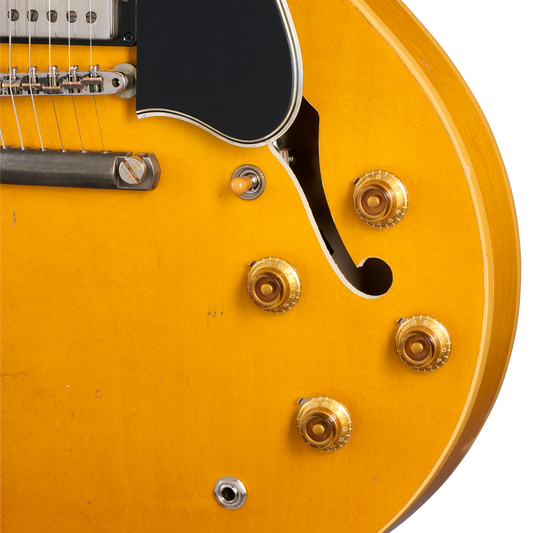
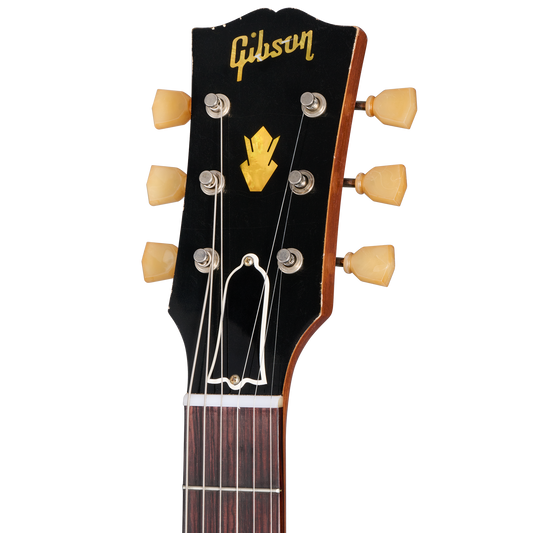
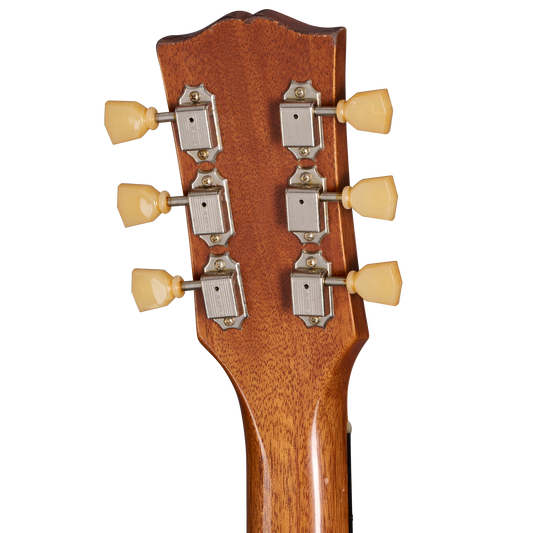
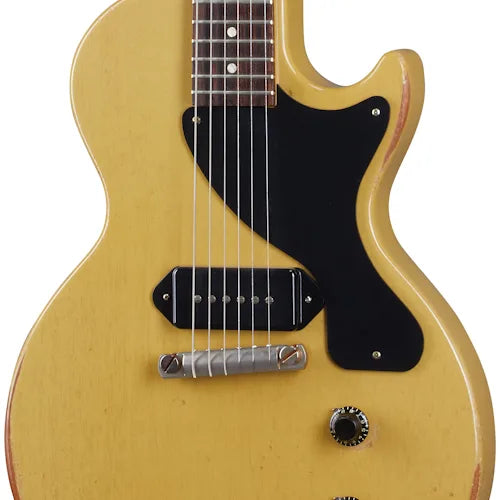
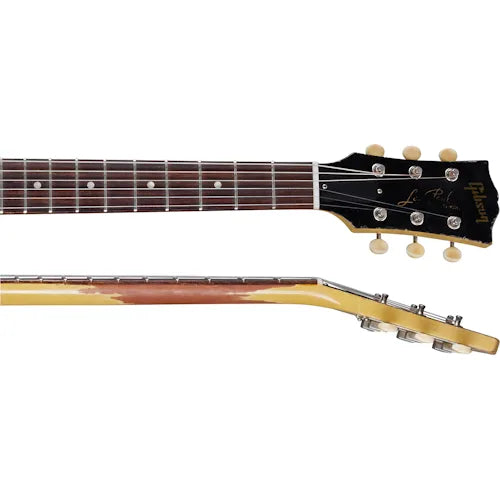
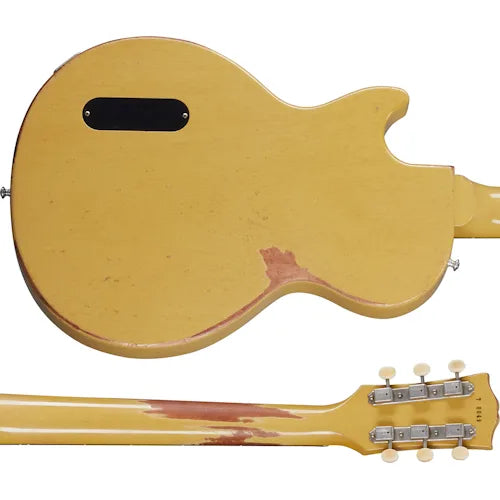
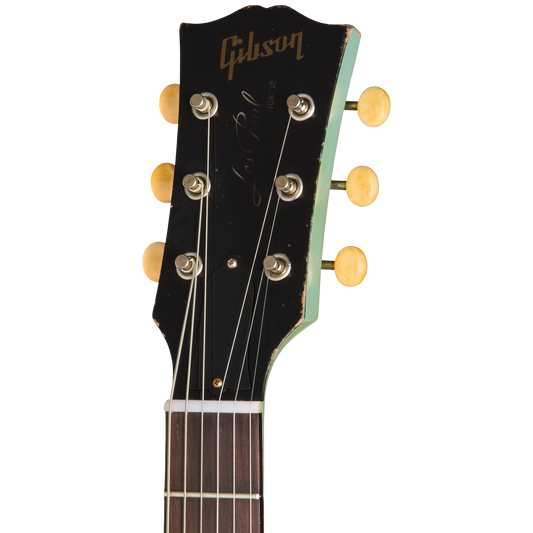
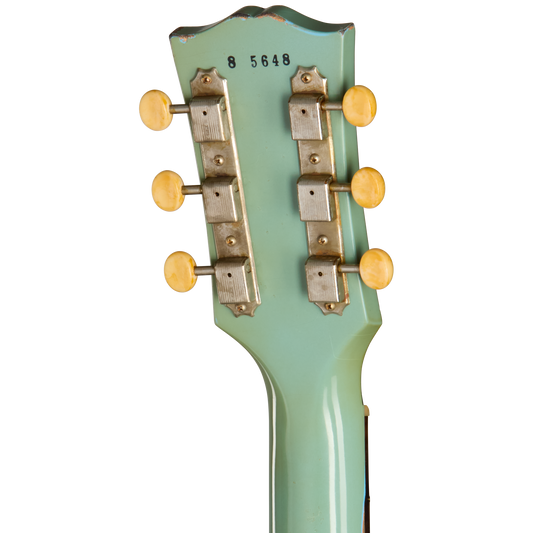
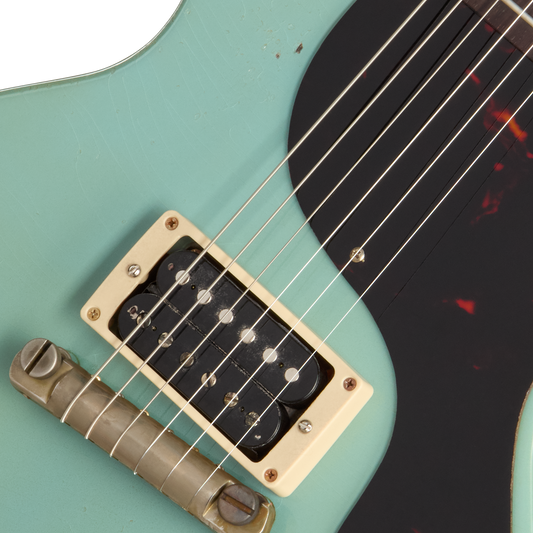
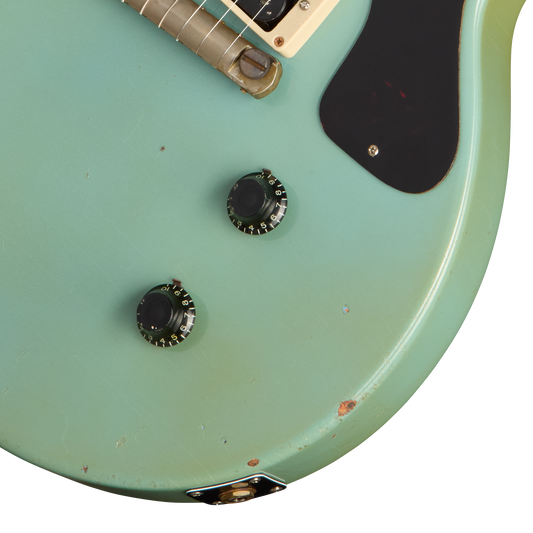
“Outside of the finish, the parts are the major story—no matter what aging level you get, every part is hand-aged now. And we’re doing some truly remarkable things with that, from the greening that occurs under gold knobs, to the subtle warping of pickguards and mounting rings, and the yellowing of tuner buttons.”
What do you think are the biggest upgrades in terms of vintage accuracy and aesthetics?
“Historically, Tom Murphy has not aged plastic parts in his builds. When we’ve done it, it’s only been for limited runs. So when we started the Murphy Lab, it was out of scope to our mainstream abilities at the time. Now, every part—plastic or plated—gets intentionally aged. I think that is a huge upgrade and something we are very proud to be able to offer now. But we’ve also redeveloped nearly all our Historic Reissue parts themselves in that time, replicated from 3D scans and composition studies.
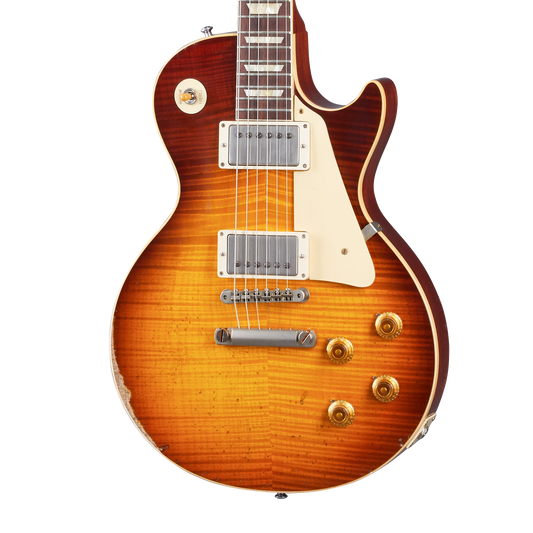
“My personal favorite touches are the torpedo-shaped ends of the ABR-1 bridges, the greening of gold knobs and the clouding of black knobs that we’re doing, and the darkening/staining of exposed woods. On a ’59 Reissue, those are the things that take a Murphy Lab from looking inspired by the originals to looking like clones of the originals.”
 Gibson VP of Product, Mat Koehler, explains how real vintage instruments such as this Goldtop influence Murphy Lab aging
What do you think are the biggest upgrades in terms of tone and feel?
“The gentle softening of the edges of exposed wood makes for a much more broken-in finish feel, but the new Historic Reissue parts are fantastic for both feel and tone. The new ABR-1 bridges, for example, have been visually replicated from original ABR-1 bridges, but we improved them where we could, too, in service to tone and feel. The post holes are now narrower so they fit snugly, and the thinly-plated brass saddles have soft edges and very smooth travel now, without rocking or flying off your bridge like originals tended to.”
You have alluded to the dramatic tonal benefits of Murphy Lab lacquer on acoustic guitars, how does this manifest on electrics?
“We believed that it must bring the tone closer in line with the vintage counterparts based on the fact that the finish behaves like it would have originally, but we couldn’t ‘prove’ it until the Murphy Lab acoustics came along. A/B testing an electric guitar is quite subjective, but on the acoustics, it was bluntly obvious that the finish helped enable more resonance, warmth and volume. Hard to quantify, but easy to hear if you are on a tone quest.”
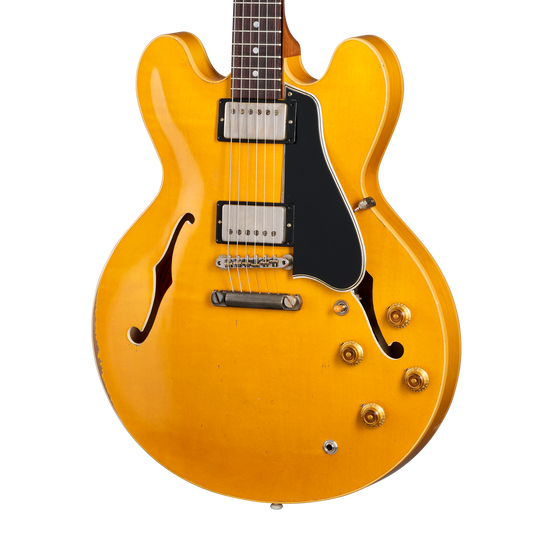
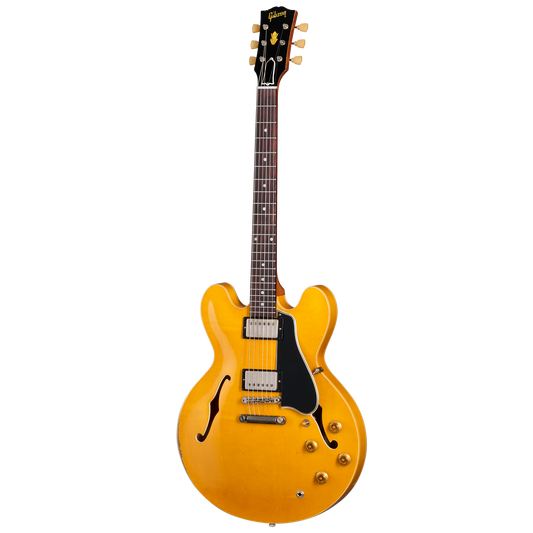
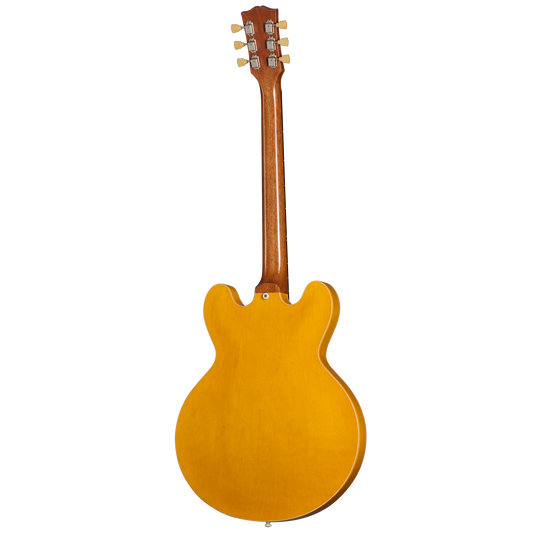
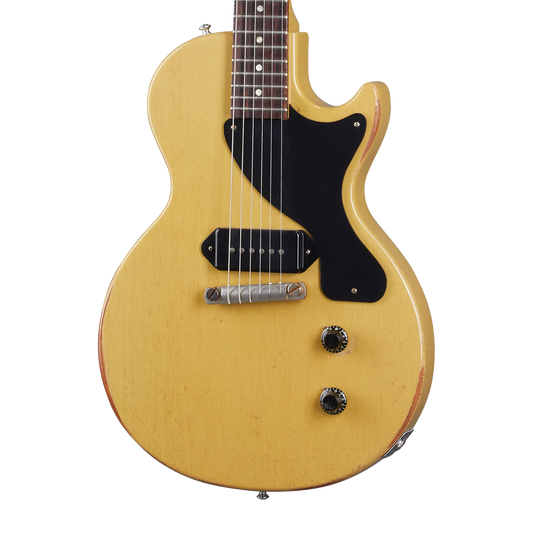
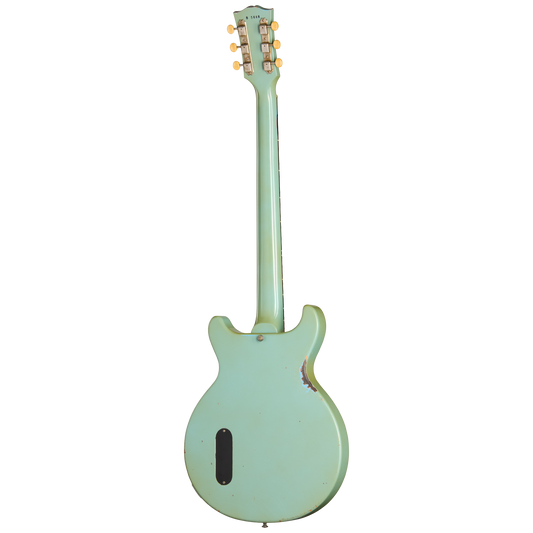
 All plastic and metal parts on Gibson Custom Murphy Lab guitars are now hand-aged
Digging into that a little more, is it the effect of the thinner Murphy Lab lacquer formula alone, or do the checking, areas of exposed wood, etc, have the overall effect of ‘freeing up’ the wood somewhat and allowing for greater resonance?
“I’m not sure it’s the thickness/depth of the lacquer—our regular nitrocellulose lacquer still uses the same historic mil spec for thickness. I would think it has a lot to do with the checking, which is caused when wood expands and contracts over time as it is exposed to different environments and temperatures.”
Do you feel like Murphy Lab instruments are now at a level where they have the same individuality and personality as real vintage guitars?
“I think it’s the little things that make all the difference. Having all the parts touched in the aging process really adds a layer of authenticity and individuality that I don’t think Tom Murphy ever thought would exist. He says it best—these may be the best instruments we’ve ever made, including the vintage examples on which they are based.”
Shop the Gibson Custom Murphy Lab Collection.